Content & Social Media are the voice of your brand in the digital world. They help you connect, engage, and build relationships with your audience through creative posts, visuals, and stories that inspire action and trust.

what is Content & Social Media ?
why is important Content & Social Media ?
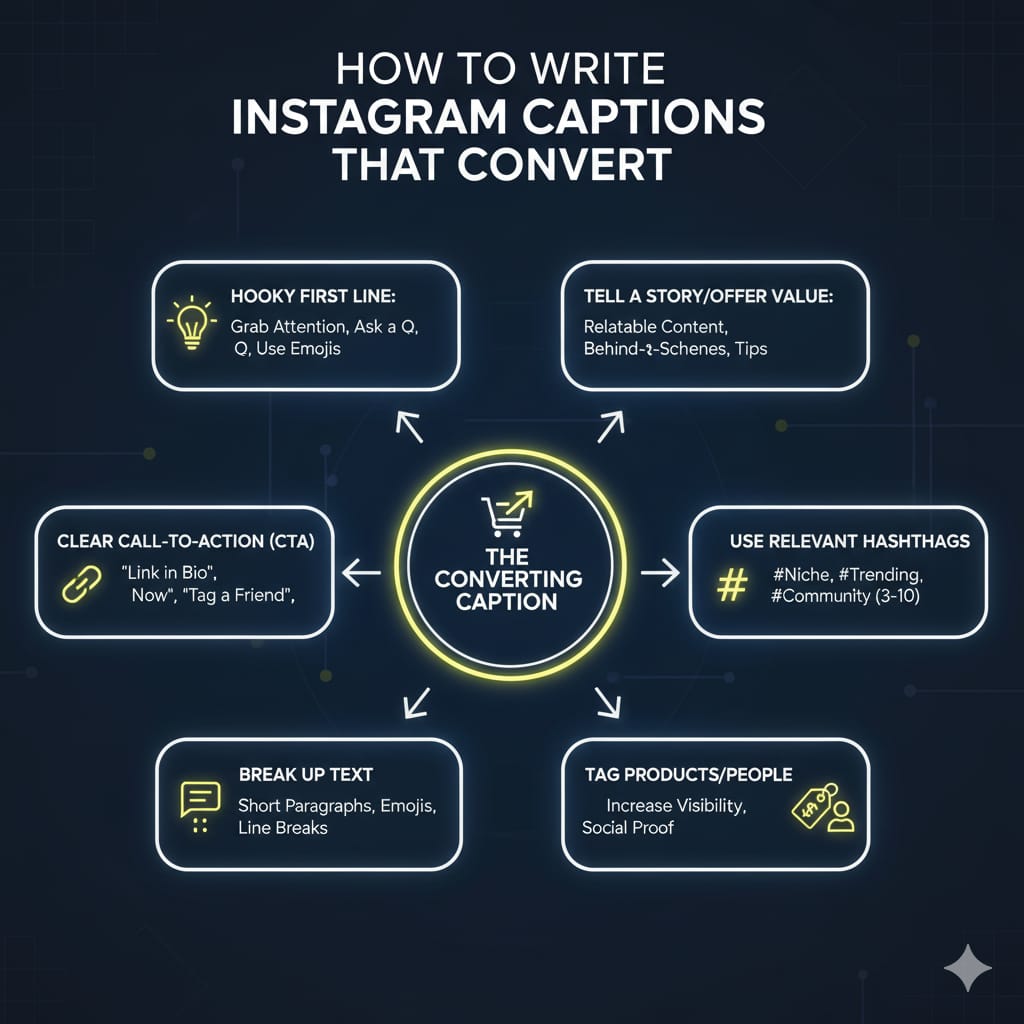
How to Write Instagram Captions That Convert.
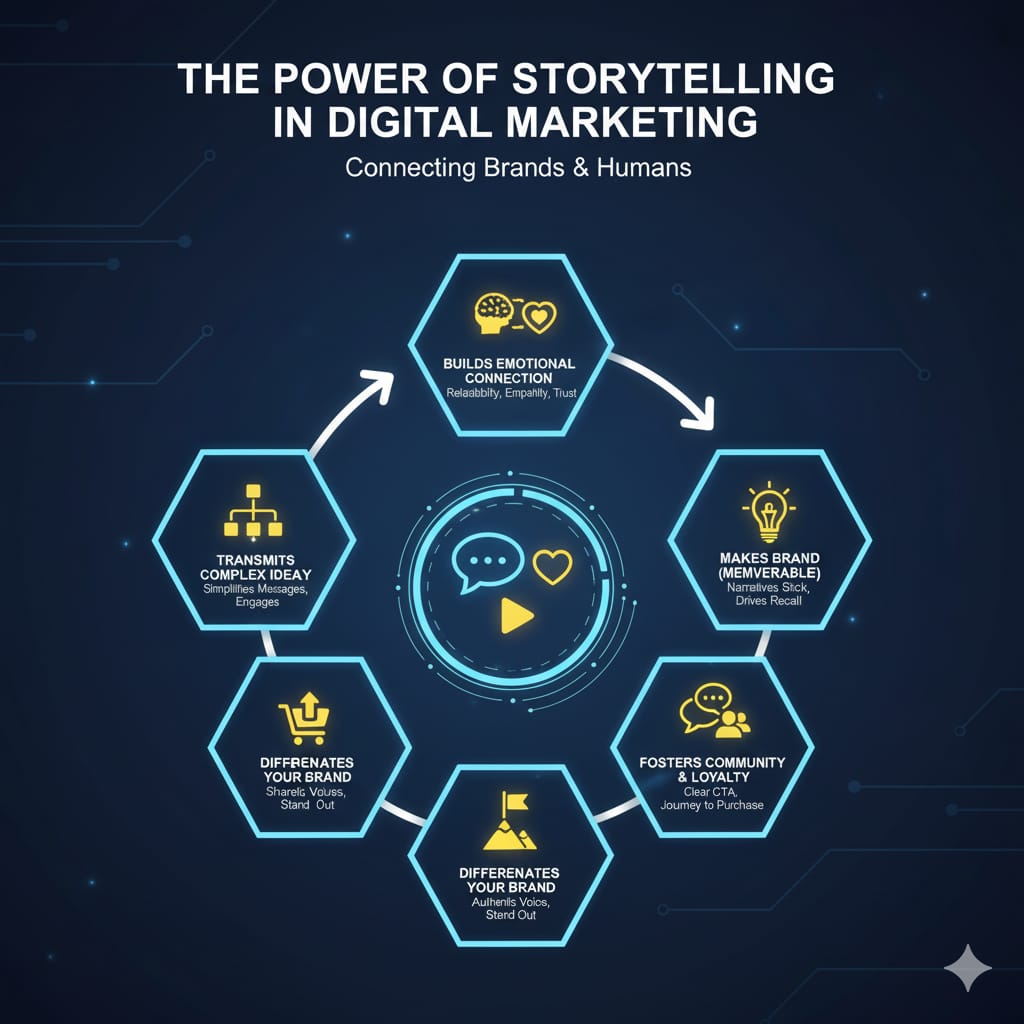
The Power of Storytelling in Digital Marketing.
Best Times to Post on Instagram and Facebook (2025 Guide)
In today’s fast-paced digital era, content and social media play a vital role in shaping brand identity and driving business growth. From eye-catching visuals to engaging captions and videos, they allow brands to share their message, attract new audiences, and stay relevant in an ever-changing online world.
What is Content & Social Media?
Content & Social Media together form the heart of digital communication and marketing.
Content means the information, visuals, videos, blogs, and messages that you create and share to communicate your brand’s story.
Social Media platforms like Instagram, Facebook, LinkedIn, X (Twitter), YouTube, and TikTok are the channels where this content lives, grows, and connects with audiences.
When combined, Content + Social Media create a powerful strategy to:
✅ Promote your brand
✅ Engage your audience
✅ Build relationships
✅ Drive traffic and sales
The world has shifted online — people don’t just buy products; they follow stories, trust brands, and engage with personalities. This is why content and social media marketing are more powerful than ever.
Here’s why they’re so important 👇
1️⃣ Builds Brand Awareness & Visibility
Social media allows your brand to reach millions of people instantly. Every post, story, or video is a chance for someone new to discover your business.
Example: A small brand can go viral overnight through one creative Reel or post.
Future Insight (2025): With AI and short-form video trends, visibility depends on creative, consistent, and personalized content.
2️⃣ Builds Trust and Credibility
People trust what they see consistently. When you post useful, authentic content — you prove your expertise and reliability.
Example: A marketing agency posting weekly tips builds authority as an expert in its field.
Future Insight: Transparency and authenticity will matter more than high budgets.
3️⃣ Drives Engagement & Community Building
Social media allows two-way communication. Your audience doesn’t just watch — they comment, share, and connect.
This builds a loyal community, not just customers.
Example: Nike’s motivational content creates a global community of athletes and fans.
4️⃣ Supports All Other Marketing Goals
Good content supports SEO, email marketing, and paid ads — it’s the fuel for every marketing campaign.
Without content, even the best ad has nothing meaningful to say.
Future Insight: AI-driven personalization will make content more targeted, meaning brands can speak directly to customer needs.
5️⃣ Cost-Effective and High ROI
Compared to traditional advertising, content and social media marketing are more affordable — yet extremely powerful.
A viral post or blog can generate traffic and sales for months.
Example: A trending Instagram Reel can attract thousands of visitors without ad spend.
6️⃣ Data-Driven Insights
Social media gives real-time feedback through likes, shares, and analytics.
You can track what content works, optimize it, and grow smarter with every campaign.
Future Insight: AI and analytics will allow marketers to predict trends and audience behavior even before they happen.
.
How to Write Instagram Captions That Convert.
Introduction
A great Instagram post combines eye-catching creative with a caption that nudges the reader to act. Captions are mini-sales pages — they capture attention, build value, provide proof, and ask for one clear action. Done right, captions increase engagement, saves, DMs, and clicks to your link-in-bio or landing page.
Who this is for
Social media managers, small business owners, D2C founders, content creators, and anyone who posts on Instagram to drive action.
1. Caption fundamentals — what you must achieve
A converting caption should:
Hook the reader in the first 1–2 lines (Instagram truncates after ~125 characters).
Deliver clear value quickly (tip, benefit, story).
Provide social proof or credibility (stats, testimonial).
End with a single, explicit CTA (comment, save, click link, DM).
Use hashtags and formatting to aid discovery and readability.
2. The proven caption formula (repeatable)
Hook → Value → Proof → CTA → Hashtags
Hook (Line 1) — Stop the scroll. Use curiosity, numbers, emoji, or a bold statement.
Examples:“3 caption templates that get DMs every time 👇”
“Stop wasting money on ads — try this instead.”
Value (Lines 2–5) — Deliver the promise: a short tip, step, or mini-story. Use line breaks and bullets for readability.
Proof (1–2 lines) — Quick stat, client result, or testimonial. E.g., “This formula increased saves by 42% for our client.”
CTA (1 line) — Single clear action: “Comment ‘YES’ to get the template.” “Tap the link in bio to download.”
Hashtags (5–15) — Use a focused mix: 2 branded, 3–5 niche, 3 location/industry, and 1–2 trending.
3. Caption lengths: when to keep it short vs long
Short (1–3 lines): Use for Reels and attention-driven posts. Best when the creative carries the message.
Medium (3–8 lines): Good for quick tips, small stories, or CTAs.
Long-form (200–600 words): For carousel educational posts or personal founder stories — use line breaks, emojis, and bold hooks.
4. 5 high-converting caption templates (copy-and-paste)
Template A — Problem → Solution → CTA
Hook: “Tired of low engagement? 😩”
Body: “Try this 3-step caption formula: 1) Hook 2) Value 3) CTA. Use a short CTA in line one.”
Proof: “Used by brand X — engagement +35%.”
CTA: “Save this post and try it today!”
Hashtags: #marketingtips #socialstrategy #brandname
Template B — Listicle
Hook: “5 tools I use to schedule posts 🛠️”
Body: “1. Tool A — reason. 2. Tool B — reason…”
CTA: “Which one do you use? Comment below!”
Hashtags: 6–10 niche tags
Template C — Case Study
Hook: “How we grew client’s followers from 1k → 8k in 3 months”
Body: Short steps taken, result numbers
CTA: “DM ‘CASE’ for a free audit”
Hashtags: industry + local
Template D — Urgency/Offer
Hook: “24-hour sale: 20% off!”
Body: Details + code
CTA: “Tap link in bio — ends tomorrow.”
Hashtags: promo + brand
Template E — Engagement Driver
Hook: “Caption this photo 🤔”
Body: Short context
CTA: “Best comment wins a free consult”
Hashtags: fun + niche
5. Tone, voice & brand consistency
Keep voice consistent with brand personality. If your tone is playful, keep captions light and humorous; if professional, keep it crisp and helpful.
Create a mini style guide for captions: punctuation, emoji use, CTA phrasing, and hashtag rules.
6. Hashtag strategy (2025 update)
Use 5–15 hashtags. Include 1–3 branded tags, 3–5 niche tags, 3 location or industry tags, and 1–2 trending.
Rotate hashtags to avoid being flagged as spam.
Put hashtags in the first comment or after a few line breaks — both are acceptable.
7. Accessibility & discoverability
Add image alt text for better search and accessibility.
Include clear keywords in caption (Instagram search indexes caption text).
Use Closed Captions and on-screen text for Reels to increase watch-through and accessibility.
8. Measure what matters (KPIs)
Engagement Rate = (likes + comments + saves) / impressions
Saves — strong signal of content value
Comments — indicates conversation & algorithm favor
CTR — clicks to link-in-bio or link stickers (for Reels/stories)
Conversion Rate — signups/sales from caption CTA
Set benchmarks for your niche; small brands often target 3–7% engagement; educational posts aim for high saves.
9. A/B tests to run
Hook A vs Hook B (same creative)
Short vs long caption for same post type
CTA “Comment” vs “Link in bio”
Hashtag sets (broad vs niche)
Use consistent creative and post timing to isolate caption impact.
Conclusion
Instagram captions are micro-conversion tools: craft a compelling hook, deliver clear value, show proof, and ask for one action. Use templates, test hooks/CTAs, and measure saves/comments/CTR — not just likes. Over time, a consistent voice + data-driven iteration turns followers into customers.
The Power of Storytelling in Digital Marketing.
Introduction
Storytelling is the heart of persuasive communication. In digital marketing, stories create emotional connections, improve recall, increase trust, and move people to act. Facts inform; stories persuade. The most powerful brands use narrative to transform product features into meaningful customer outcomes.
Who this is for
Brand strategists, content marketers, entrepreneurs, copywriters, and CMOs building long-term brand value.
1. Why stories work (psychology + neuroscience)
Emotion > Logic: Emotional content triggers stronger memory encoding than pure facts.
Pattern recognition: Humans naturally process information as narratives (beginning, problem, resolution).
Identity & tribe: Stories help audiences see themselves in the narrative and identify with the brand community.
2. Core storytelling frameworks for marketing
A. The Hero’s Journey (Customer as Hero)
Setup: The hero (customer) has a problem.
Call to action: They seek help.
Guide: Your brand appears as the mentor/solution.
Transformation: The hero overcomes the problem.
Use in: Case studies, testimonials, long-form content.
B. Before → After → Bridge
Before: The pain or status quo.
After: The aspirational outcome.
Bridge: The brand or product that connects them.
Use in: Landing pages, ads, short videos.
C. Origin Story
Why the brand was founded, the founder’s motivation, struggles, and mission.
Use in: About page, founder posts, brand videos.
D. Testimonial/Customer Story
Short interviews highlighting real results and emotions.
Use in: social snippets, homepage proof.
3. Elements of a great marketing story
Character: Customer profile — relatable protagonist.
Conflict: The specific pain or obstacle.
Emotion: Tone that resonates — frustration, hope, pride.
Solution: How your product/service solves it.
Proof: Metrics, testimonials, before/after.
Call-to-action: Clear next step for the audience.
4. Formats & channel-specific storytelling
Short-form video (Reels/TikTok): 15–60 second micro-stories — punchy hook, 2–3 beats, CTA.
Carousels (Instagram/LinkedIn): Multi-slide narrative — problem, steps, result.
Long-form blog/case study: Deep-dive story with process and metrics.
Email sequence: Narrative drip: Intro → struggle → solution → offer.
Landing pages: Lead with a hero story + clear proof subsection.
5. Practical workflow to create stories
Identify 3 hero customer personas.
Collect stories: Interviews, reviews, support calls. Extract quotes and metrics.
Write templates: Hero’s Journey + Before/After formats to reuse.
Produce assets: Video snippets, quote cards, long-form case studies.
Distribute & measure: Test on social, email, ads; measure engagement & conversion lift.
6. Examples (mini case)
Context: Local bakery
Story: Founder learned family recipes; struggled with local competition; started a small stall.
Execution: 30-second Reel showing the recipe process (hook: “Why our buns sell out every morning”) + link to order.
Result: 30% increase in orders and increased store visits (tracked via promo code).
B2B Example: SaaS company
Case study story: Customer pain (manual reporting) → Implementation (product introduced automation) → Result (40% time saved + ROI 3x).
Use: homepage testimonial + gated case study for lead capture.
7. Measuring story impact
Engagement: Likes, shares, comments — emotional resonance indicator.
Time on page / Video watch time: Longer time shows story captured attention.
Conversion uplift: Test story-led landing pages vs feature-led pages.
Brand metrics: Branded search growth, NPS, sentiment analysis.
8. Common mistakes to avoid
Over-polishing: Too-perfect stories feel inauthentic.
No proof: Emotional stories without validation won’t convert.
One-off use: Stories need repetition across channels to stick.
Ignoring audience: Stories must be relatable to your target persona.
Conclusion
Storytelling turns product features into human benefits. Use consistent frameworks (Hero, Before/After), collect authentic customer narratives, and test story formats across channels. Stories that combine emotion + proof will always outperform dry facts.
.
Introduction
Posting time still matters — early engagement signals to platform algorithms that your post is relevant, leading to higher reach. In 2025, with short-form consumption and global audiences, best times are more personalized: you must start with general heuristics, then test using your account data.
Who this is for
Social media managers, small businesses, content schedulers, and anyone who posts regularly on Instagram/Facebook.
1. Why posting time still matters
Algorithmic momentum: Early engagement (likes, comments, saves) boosts visibility.
Audience routines: People check social media at predictable times (commute, lunch, evenings).
Time-zone relevance: For global audiences, rotate posting times to hit multiple regions.
2. Baseline posting windows (global starting points)
Use these as your initial test windows — then refine with your insights.
Weekdays (Mon–Fri):
Morning commute: 7:30–9:30 AM
Lunch break: 12:00–2:00 PM
Evening: 6:00–9:00 PM
Weekends:
Late morning to early afternoon: 10:00 AM–1:00 PM (people browse later)
Platform-specific notes:
Instagram (Reels): Evenings & weekends often get higher play/loop rates (6–10 PM).
Instagram (Feed/Carousel): Mid-morning and lunchtime (10 AM–1 PM) are strong.
Facebook: Early morning & evening (7–10 AM, 6–9 PM); community and long-form posts do well on weekends.
3. Industry-specific timing tips
Retail / F&B: Evenings, weekends, and just before peak purchase times (e.g., restaurant lunch/dinner hours).
B2B / SaaS: Weekday mornings and midweek (Tue–Thu).
Local services: Align posts with local operating hours; e.g., salons post around appointment times.
Entertainment / Lifestyle: Evenings and weekends.
4. How to find your best times — a 4-week test plan
Collect baseline: Use Instagram Insights / Facebook Page Insights to see follower active hours.
Choose 3 test windows per day (e.g., 9 AM, 1 PM, 8 PM).
Post identical content across those windows on different days for consistent comparison.
Track metrics for each post for 72 hours (reach, impressions, saves, comments, shares, CTR).
Analyze & iterate: Pick top windows and refine (e.g., shift to 7:30–8:30 PM).
Sample test table
| Week | Window A (9 AM) | Window B (1 PM) | Window C (8 PM) | Best |
|---|---|---|---|---|
| 1 | 9 AM post | 1 PM post | 8 PM post | 8 PM |
| 2 | 9 AM post | 1 PM post | 8 PM post | 1 PM |
| 3 | 9 AM post | 1 PM post | 8 PM post | 8 PM |
| 4 | 9 AM post | 1 PM post | 8 PM post | 8 PM → choose 8 PM |
5. Short-form video (Reels/Shorts) nuance in 2025
Reels rely more on content quality + trend relevance than exact time, but evening discovery windows (6–10 PM) often yield higher plays.
Post Reels 3–5x weekly and prioritize trend hooks and subtitles; timing matters less than a strong first 1–3 seconds.
6. Time zone considerations for global audiences
Identify top follower locations in Insights and prioritize those time zones.
For truly global audiences, rotate posting times throughout the week to hit mornings in Europe and evenings in India/US alternately.
7. Scheduling & automation tools
Use Meta Business Suite, Later, Buffer, or Hootsuite to schedule posts and analyze performance.
Let tools suggest times but always validate with your account data.
8. KPIs to monitor
Reach & Impressions (initial visibility)
Engagement Rate (likes + comments + saves ÷ reach)
View-through rate (for Reels)
Link clicks / sticker clicks (for stories / Reels)
Follower growth per post (to see long-term impact)
9. Quick tips & best practices
Post when your audience is awake and free (not during work commute unless your audience engages then).
Use consistent posting schedule — algorithms favor regular activity.
Boost top-performing posts (paid) during your highest-engagement windows to reach more people.
Combine timing with content types — e.g., tutorials at lunchtime, entertaining Reels in the evening.
Conclusion
There’s no single universal “best time” for posting — only the best time for your audience. Start with global baselines, run a disciplined 4-week timing test, and let your account insights determine the optimal windows. For Reels, prioritize hook & trend relevance; for feed posts and carousels, test mid-morning and evening slots. Consistency + testing = growth.